

What families look for in a bio
On most law firm websites, the attorney bio is one of the most visited pages. That makes sense. People going through a divorce, a custody fight, or a parent's decline are not hiring a firm. They are hiring a person.
When they open your bio, they are trying to answer a few quiet questions:
- Does this person handle cases like mine?
- Will they explain things in a way I can understand?
- Will they treat me with respect?
- Do they seem calm, steady, and real?
Credentials matter, but they are not the first thing most families look for. A bio that opens with law school, bar admissions, and awards answers a question the reader has not asked yet. Start with the reader's situation, and bring in the credentials once you have earned their attention.
A simple structure that works
You do not need to be a great writer to write a good bio. Use this structure and keep each part short:
- Opening line. Who you help and with what. For example: "I help parents in Middlesex County work through divorce and custody with as little conflict as possible."
- Why you do this work. Two or three honest sentences. What drew you to this practice area, or what you care about most when working with clients.
- How you work with clients. What a client can expect: how you communicate, how quickly you return calls, how you explain options.
- Focus areas. A short list of the matters you handle most, with links to those practice area pages.
- Credentials. Education, bar admissions, memberships, and any certifications. Keep it factual.
- A personal touch. One or two lines about life outside work, if you are comfortable sharing.
- Next step. A clear invitation to schedule a consultation.
Write in first person if it feels natural. It reads warmer. Third person is fine too. What matters is that it sounds like you on a good day.
Credentials that help with Google and AI tools
Search engines and AI tools also read your bio. They use it to understand who your attorneys are and whether to trust what your site says. A few details make that easier:
- Use your full name the same way everywhere. Your site, your Google Business Profile, your bar listing, and directories should match.
- List your bar admissions by state, with years. These are facts that can be checked.
- Link to trusted outside profiles. Your state bar listing, professional associations, and LinkedIn help confirm you are who you say you are.
- Name your practice areas clearly. "Divorce, custody, and child support" is clearer than "family matters."
- Connect your bio to your content. If you write or review articles on your site, show your name on them and link back to your bio.
- Add Person schema. A small piece of behind-the-scenes code that labels your name, title, and firm. Our guide to schema markup for law firms explains it in plain English.
Only list awards and ratings you have actually received, and follow your state's advertising rules on how to describe them. Many states have specific rules about terms like "specialist" or "expert."
Photos, tone, and plain language
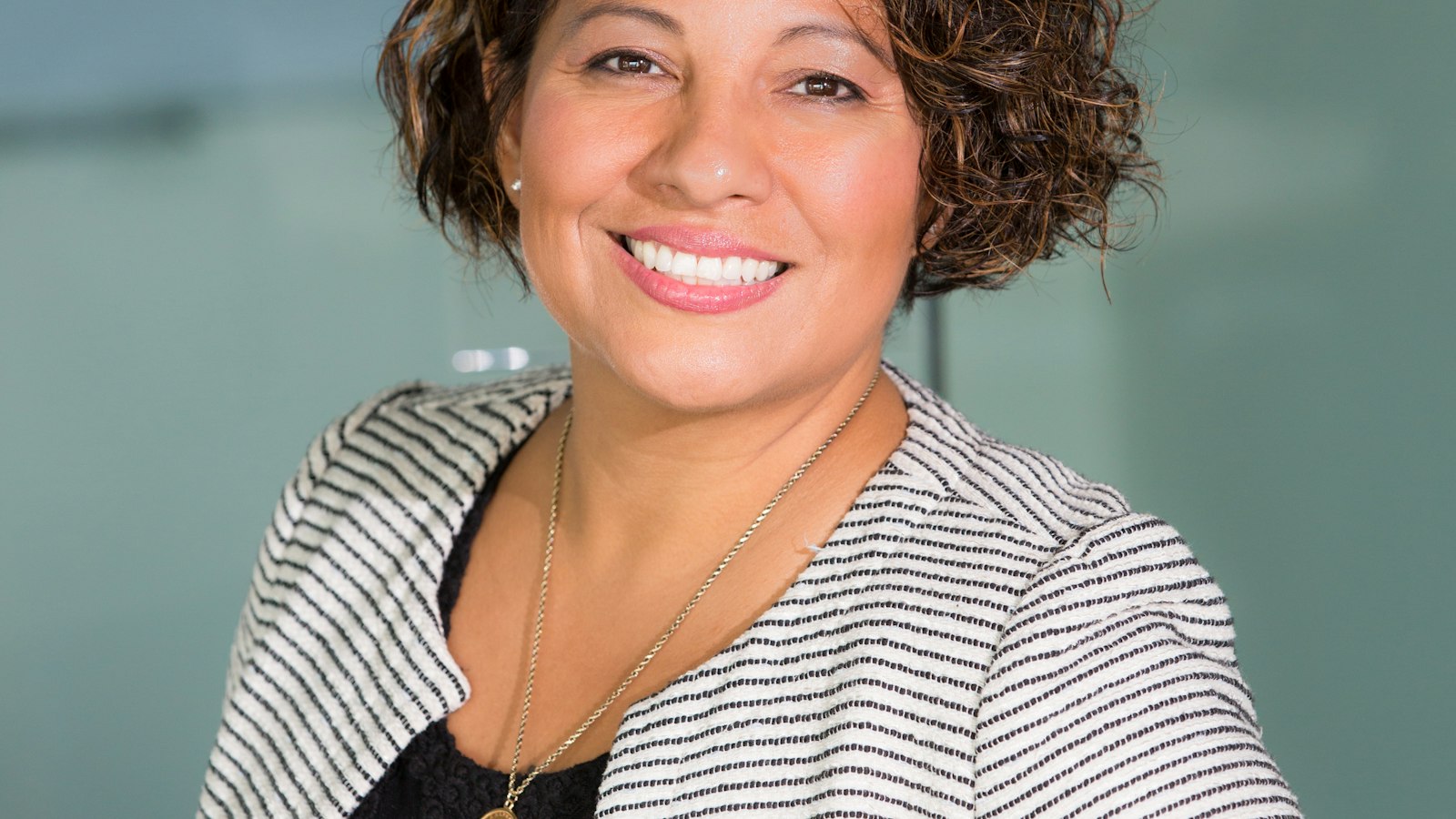
Photos. Use a recent, professional photo where you look approachable. Good light, a simple background, and a natural smile go a long way. Avoid photos that are many years old. Families notice when the person at the consult does not match the website.
Tone. Write the way you would talk to a nervous client in your office. Calm. Kind. Direct. Avoid words like "aggressive" unless that truly describes how you want to be seen, and think about how it reads to someone who is already scared.
Plain language. Skip the legal terms where you can. If you need one, explain it. Keep sentences short. Break long paragraphs into two. Read the bio out loud. If a sentence sounds stiff, rewrite it.
Never promise outcomes in a bio. Phrases like "I always win" or "guaranteed results" can break advertising rules and erode trust.
A short checklist
Before you publish, check your bio against this list:
- The first line says who you help and with what.
- It explains how you work with clients, in plain language.
- Your practice areas are listed and linked.
- Bar admissions and education are accurate and current.
- Your name matches your other online profiles.
- The photo is recent and approachable.
- There are no promises about outcomes.
- It ends with a clear way to schedule a consultation.
To see how your bio and firm show up beyond your own site, try our guide on how to check what AI says about your law firm.
Related guides
- How to check what AI says about your law firm
- Schema markup for law firms, explained
- Family law website design
Up And Social is a marketing agency and does not provide legal advice. Prior results do not guarantee a similar outcome.